
Undergoing surgery is a major event for the body, regardless of whether it was a planned cosmetic procedure or a necessary medical intervention. While the surgeon’s work in the operating theatre is critical, what happens in the days and weeks following the procedure is what truly determines the final result. Many people underestimate the vulnerability they will feel once the initial anaesthesia wears off and they find themselves back in their own environment. This is where professional support becomes invaluable.
In the heart of Scotland, many patients are now realising that they don’t have to navigate this period alone. Seeking out specialised Post Operative Care Glasgow can bridge the gap between leaving the hospital and feeling like yourself again. It is about more than just changing bandages; it is about having a clinical eye monitoring your progress, managing your discomfort, and ensuring that your body has the best possible environment in which to knit itself back together.
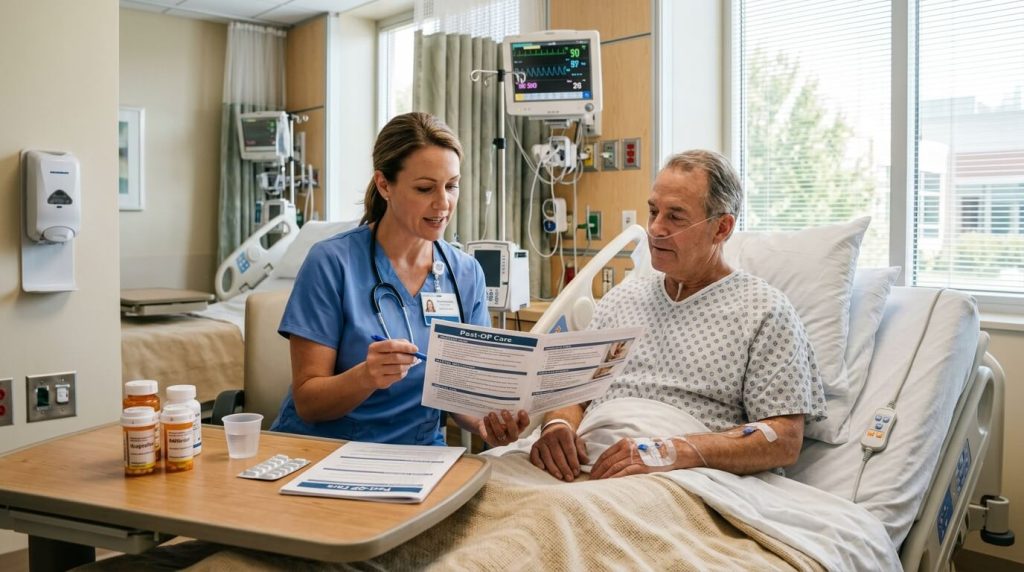
What professional post operative care Glasgow actually involves
Recovery is rarely a linear process. Some days you might feel like you are making leaps and bounds, while others might feel like a step backward. A professional care plan is designed to smooth out these peaks and troughs. When you opt for dedicated support, the service is usually bespoke, tailored specifically to the type of surgery you have had and your personal health history.
A comprehensive recovery programme usually focuses on several key areas:
- Monitoring vital signs and ensuring that the physical response to surgery is within normal parameters.
- Expert wound management to minimise scarring and prevent the risk of post-surgical infections.
- Pain management strategies that go beyond just taking pills, including positioning and comfort techniques.
- Education for the patient and their family on what to expect in the coming weeks.
- Early identification of potential complications like seromas, haematomas, or deep vein thrombosis.
By having a professional involved, you remove the guesswork. Instead of searching the internet at 3:00 AM wondering if a certain sensation is normal, you have a qualified expert who can provide immediate reassurance or clinical action.
The role of Manual Lymphatic Drainage in your recovery
One of the most significant aspects of modern recovery, particularly following cosmetic procedures like liposuction, tummy tucks, or facelifts, is the use of Manual Lymphatic Drainage (MLD). Surgery causes significant trauma to the tissues, which often leads to an accumulation of fluid and intense swelling. This isn’t just uncomfortable; it can actually impede the healing process by putting pressure on incisions and reducing blood flow.
Specialised clinics in Glasgow often incorporate MLD into their recovery packages. This gentle, rhythmic massage technique encourages the lymphatic system to process and remove the excess fluid and toxins that build up after an operation. It helps to reduce bruising, softens the tissue, and can significantly shorten the overall recovery time. When you engage with experts in post-surgical support, they can advise on exactly when to start these treatments to get the most benefit without disrupting the surgical site.
Why local support in Glasgow is better than trying to do it all yourself
There is a specific kind of stress that comes with trying to manage a recovery while also dealing with the logistics of daily life. For those living in or around the city, having access to local expertise means you aren’t travelling long distances while in discomfort. It also means that your care team is familiar with the local medical landscape should you need any prescriptions filled or secondary consultations.
Many patients find that their friends and family, while well-intentioned, aren’t always equipped to handle the realities of post-surgical care. They might be squeamish about wound dressings or unsure of how to help you move safely. Bringing in a professional takes the pressure off your loved ones, allowing them to provide emotional support while the clinical side is handled by someone who does this every day.
Red flags to watch out for during your recovery
Part of the value of professional oversight is knowing what isn’t normal. While some swelling and discomfort are expected, there are certain signs that require immediate attention. A professional care provider is trained to spot these ‘red flags’ early, often before the patient even realises something is wrong. These signs include:
- A sudden increase in pain that isn’t managed by prescribed medication.
- Excessive redness, heat, or foul-smelling discharge from the incision site.
- A high fever or persistent chills.
- Shortness of breath or sudden chest pain.
- Calf pain or swelling in just one leg, which could indicate a blood clot.
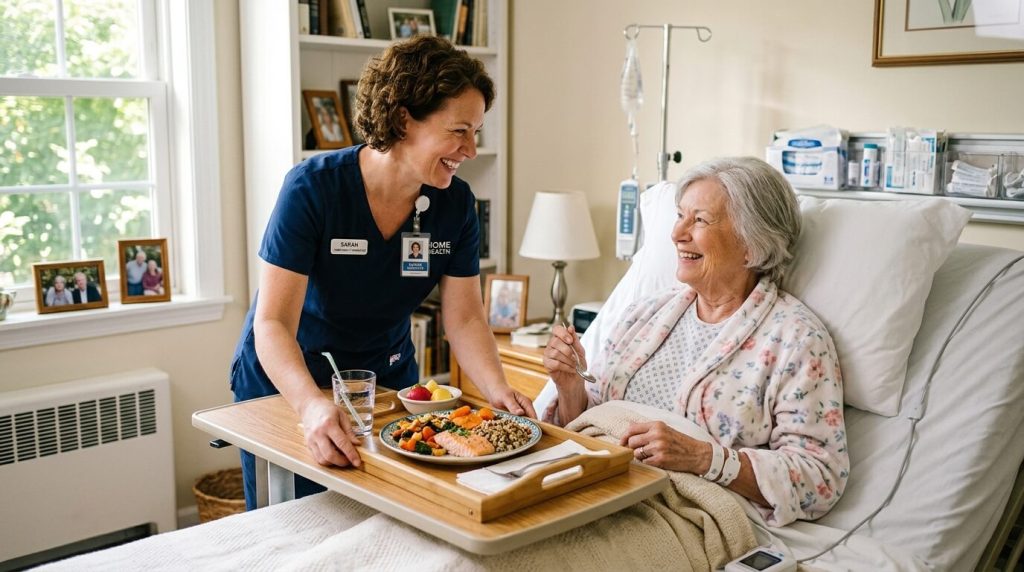
Creating a recovery environment that actually works for you
Before you even head into the operating theatre, setting up your space is vital. However, the physical environment is only one half of the equation. The other half is the support system you have in place. Many people find that their recovery is much more successful when they have a structured plan that includes scheduled check-ins and treatments.
In Glasgow, the trend is moving away from the ‘stiff upper lip’ approach where people try to hide away until they are fully healed. Instead, people are being more proactive. They are booking their recovery sessions in advance, ensuring they have the right compression garments, and making sure they have professional help lined up for the first critical week. This proactive approach doesn’t just help you heal faster; it helps you heal better, with less risk of long-term complications or aesthetic issues like uneven skin texture or excessive scarring.
Ultimately, the goal of any post-surgical period is to get back to your normal life as safely and quickly as possible. Whether you have had a minor procedure or a major transformation, the way you treat your body in the aftermath is a reflection of how much you value the investment you’ve made in your health or appearance. Taking the time to organise proper support ensures that the results your surgeon worked so hard to achieve are protected and optimised through every stage of the healing process.
Think about the recovery as a secondary phase of the surgery itself. It is not a period of ‘waiting’ for things to get better, but an active process of rebuilding. With the right clinical guidance, specialised treatments like lymphatic massage, and a clear understanding of the healing timeline, you can navigate the post-operative fog with confidence. This allows you to focus on the future and the benefits of your procedure, rather than the temporary hurdles of the recovery itself.

James is a journalist focused on delivering timely news, in-depth analysis, and comprehensive coverage of current events.